Jogeshwari Caves: A Day When We Took the Metro… and Landed in the 6th Century
Mumbai is a funny city. You can be standing in a crowded metro, surrounded by notifications, deadlines, and people discussing stock markets… and less than an hour later, you can be standing inside a 1,500-year-old cave temple carved out of solid rock.
This is the story of one such day , a day that began with the Metro and ended somewhere in the 6th century.
And in between, there was a lot of laughter.
The Plan That Wasn’t a Plan
Like most great trips, this one also did not begin with a well-planned itinerary, a Google Doc, or any adult-level planning. It began the way most real trips begin ,with a completely random message on our WhatsApp group.
“Kal mil rahe ho kya?”
“Kidhar?”
“Pata nahi… kahin chalte hai.”
“Jogeshwari Caves soch raha hu… 2 ghante ka short and sweet program ho jayega aur ek dusre se milna bhi.”
Now in every friends group, there are three types of people:
- The one who suggests the plan
- The ones who say “haan pakka aayenge” and then disappear like a government file
- The ones who actually show up
As usual, a few said yes, a few said “dekhta hoon,” which in adult language means “nahi aa raha,” and a few were available because either they were truly free or just wanted an excuse to escape responsibilities.
And just like that, with no plan, no research, and full confidence in our ability to “dekh lenge,” we decided that Jogeshwari Caves would be our one-day adventure.
Honestly, our trip planning has only one rule:
Step 1: Decide to go.
Step 2: Go.
Step 3: Figure out everything else on the way.
Highly unprofessional. Highly effective.
Within no time, the plan went from “kal milte hai” to “main metro mein hoon, tu kidhar hai?” — which is usually how all legendary trips begin.
Backpacks were light, expectations were low, and confidence was unnecessarily high — the perfect combination for a successful one-day trip.
Also, someone had confidently said, “Arre 2 ghante mein ho jayega.”
This sentence, by the way, has ruined more plans in India than traffic.
But at that time, we didn’t know that yet. We were just happy that the plan had moved from WhatsApp chat to real life — which itself is a big achievement in any adult friend circle.
And that’s how, one random WhatsApp conversation later, we were on our way to Jogeshwari Caves — not knowing much about the place, but very sure that whatever happens, at least the trip will be entertaining.
And honestly, with our group, the place is secondary.
Primary attraction: Hum log khud.
We took the Metro, got down at Jogeshwari, and started walking towards the caves. This walk is important because it slowly transitions you from Mumbai mode to somewhere-ancient mode. Tall buildings, traffic, honking, shops… and then suddenly, almost hidden between all this, is history. Quietly sitting there. Ignored by most people who pass it every day.
That thought stayed with me the entire trip — how history lives within the city, and yet we are always too busy to notice it.
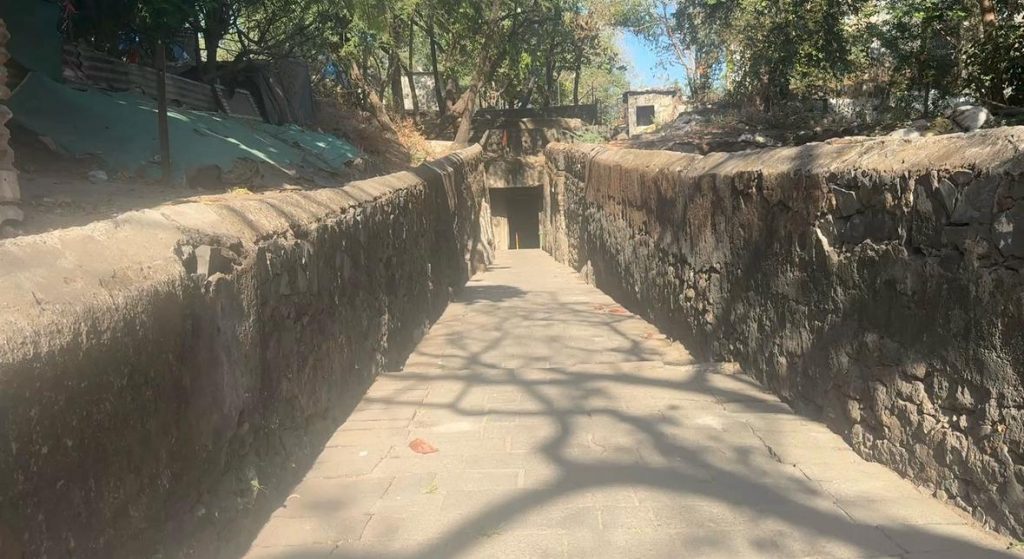
First Look: Hidden in Plain Sight
The entrance to Jogeshwari Caves doesn’t scream for attention. There are no giant signboards, no dramatic entry gates. If anything, it feels like the caves are minding their own business while the city grows around them.
But the moment you step inside, everything changes.
It becomes cooler, darker, quieter. The city noise fades and your footsteps start echoing through stone pillars that have been standing there for more than a thousand years.
Of course, we respected the silence for a full 2 minutes before someone clapped loudly to check the echo.
We are very mature people.
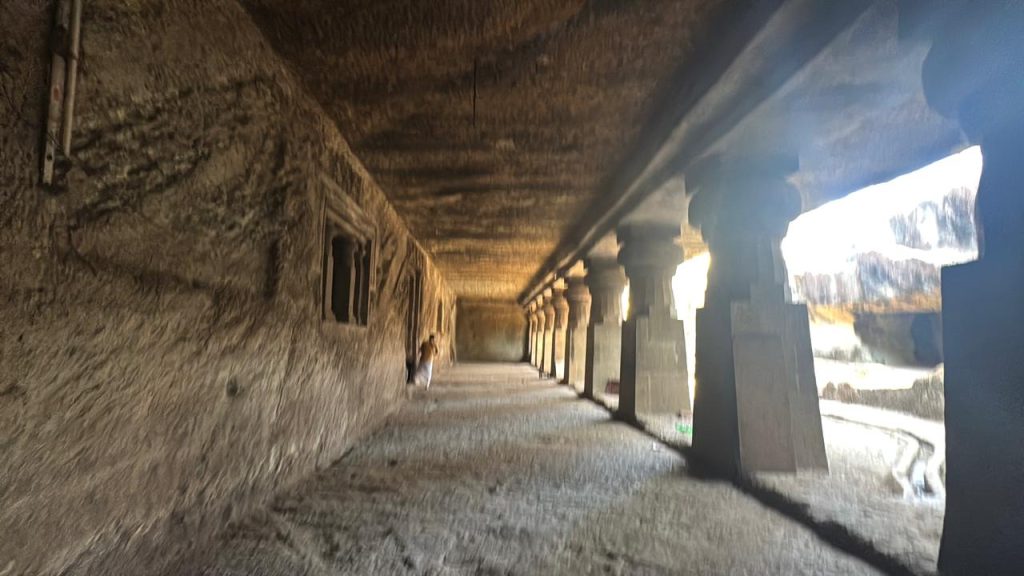 Inside the Caves: Pillars, Temples, and That Ancient Silence
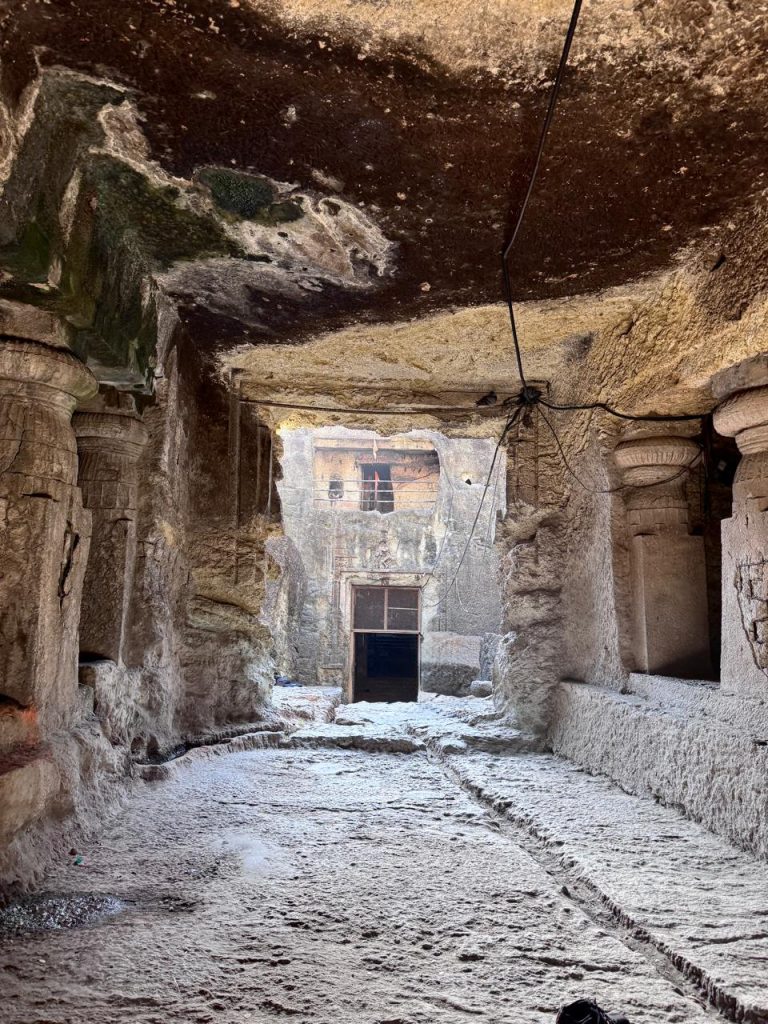
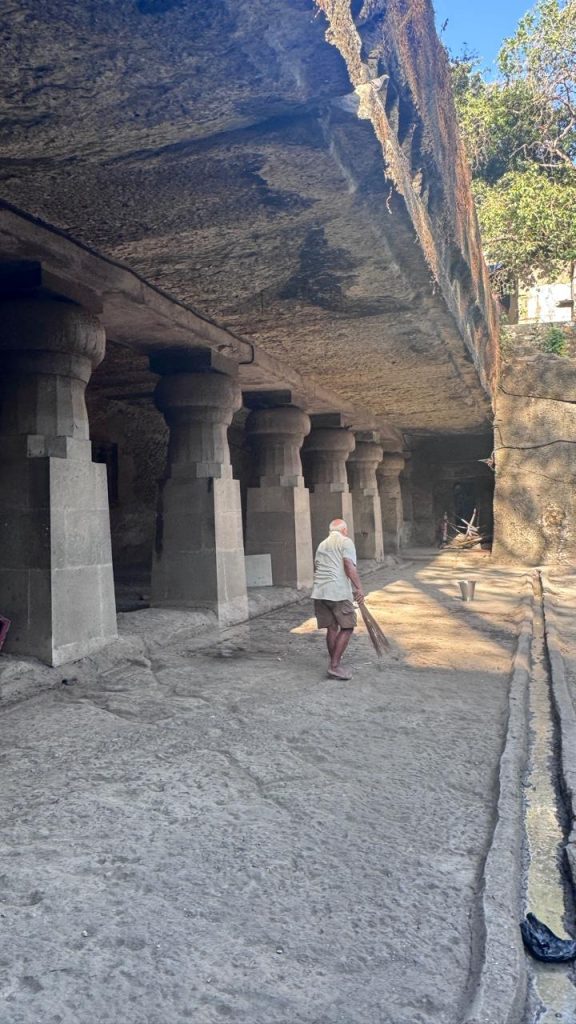
The inside of Jogeshwari Caves is much bigger than most people expect. The caves are not just one hall , it’s a network of halls, shrines, corridors, and open spaces supported by massive stone pillars.
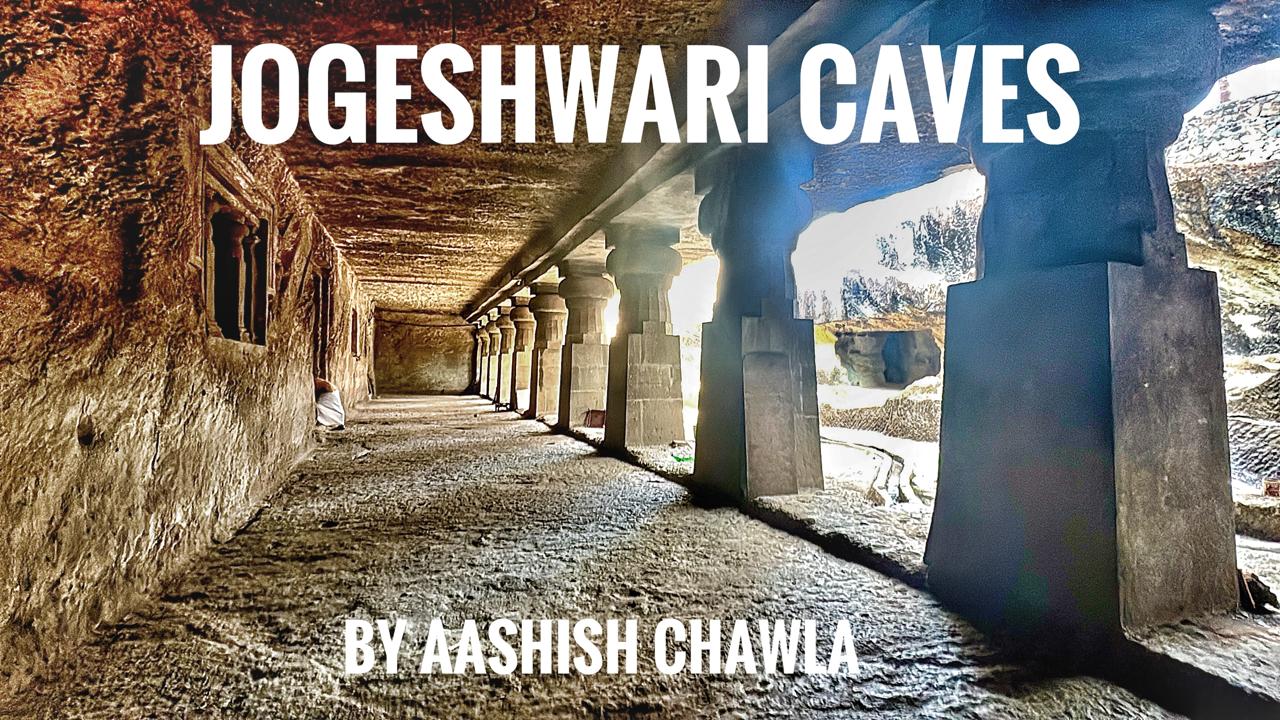
As you walk inside, you’ll notice rows of rock-cut pillars forming a large mandapa (hall). The pillars are simple but powerful , not overly decorative, but strong and symmetrical, giving the entire cave a grand and ancient feel.
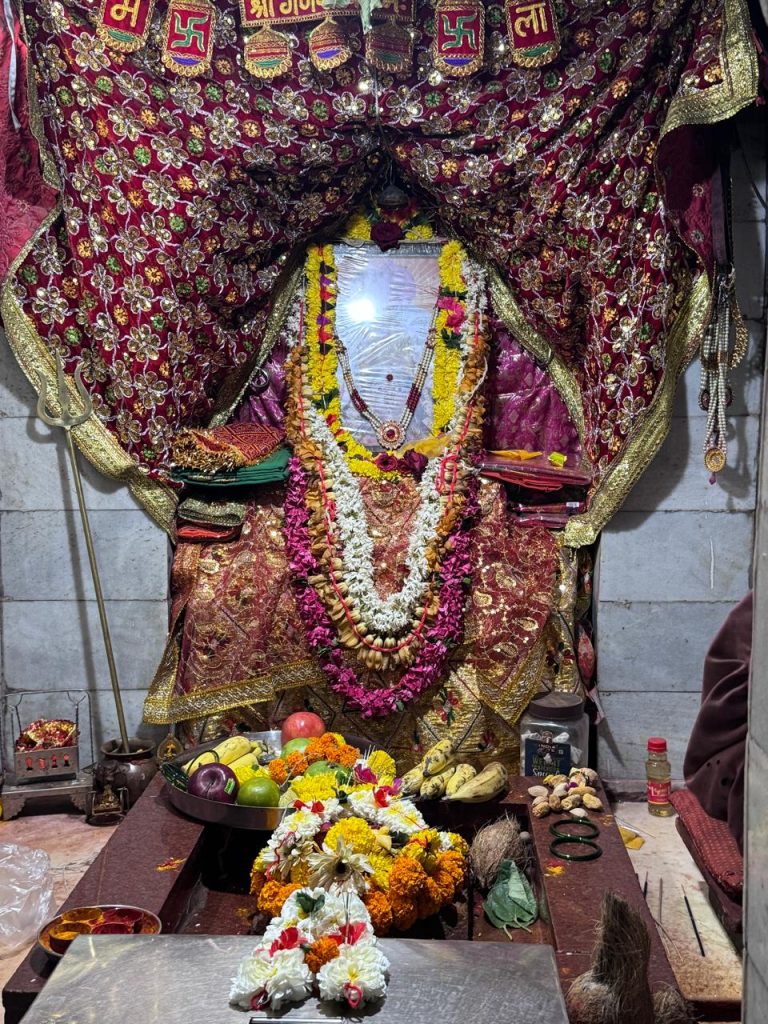
Jogeshwari Mata Temple
One of the main shrines inside is dedicated to Jogeshwari Mata, a form of Goddess Durga. This is where the caves get their name from. Even today, locals come here to pray, and you’ll notice incense, flowers, and diyas near the shrine. The temple area feels very alive , not just a historical monument, but an active place of worship.
The contrast is beautiful — outside is modern Mumbai, and inside people are still praying in a temple carved 1,500 years ago.
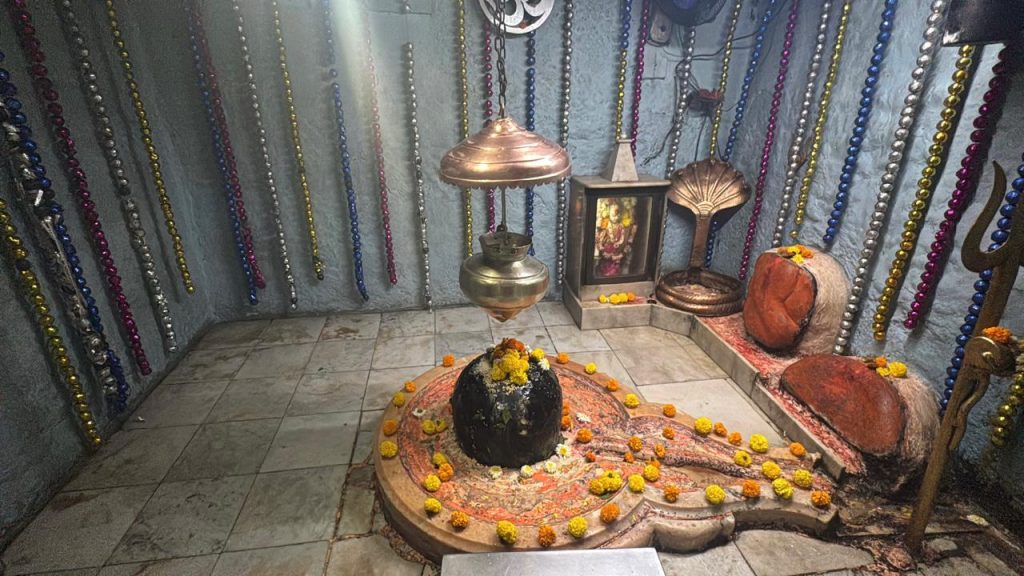
Lord Shiva Temple
Further inside, there is a shrine dedicated to Lord Shiva, with a Shiva Linga स्थापित in the sanctum. The atmosphere here is quieter and more meditative. Water droplets from the cave ceiling sometimes fall near the shrine, and the sound echoes through the hall, making the place feel even more ancient and peaceful.
Standing there, you can’t help but think about how many people must have stood in the same place over centuries , kings, saints, travelers, locals , all coming here with their own stories and prayers.
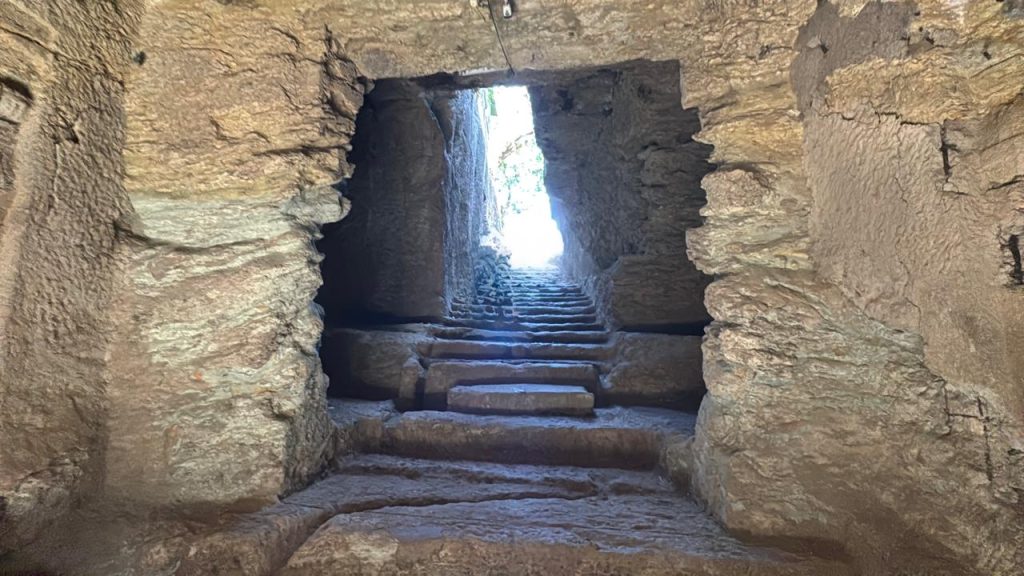
The Two Entrances: A Cave You Can Walk Through
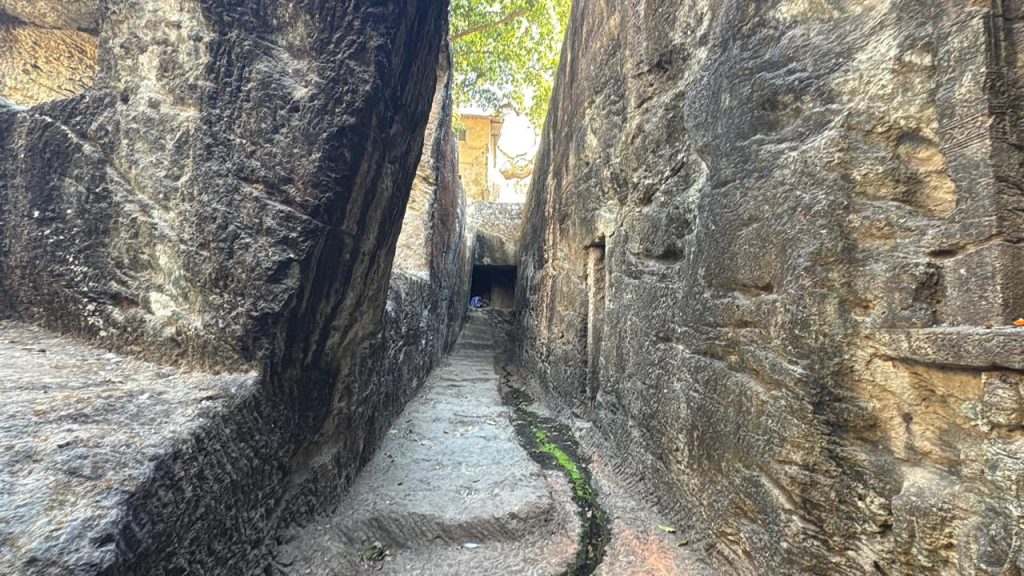
One of the most interesting things about Jogeshwari Caves is that it has two main entry and exit points on opposite sides. You can actually enter from one side, walk through the entire cave complex, and exit from the other side.
This makes the exploration feel like a proper mini adventure , like you’re not just visiting a cave, but crossing through a hidden historical passage inside the city.
The corridors connecting the halls are slightly narrow and dimly lit, and at some places the rock surface is uneven and damp, which adds to the whole “ancient exploration” feeling.
Also, this is where we got slightly lost and confidently pretended we knew where we were going.
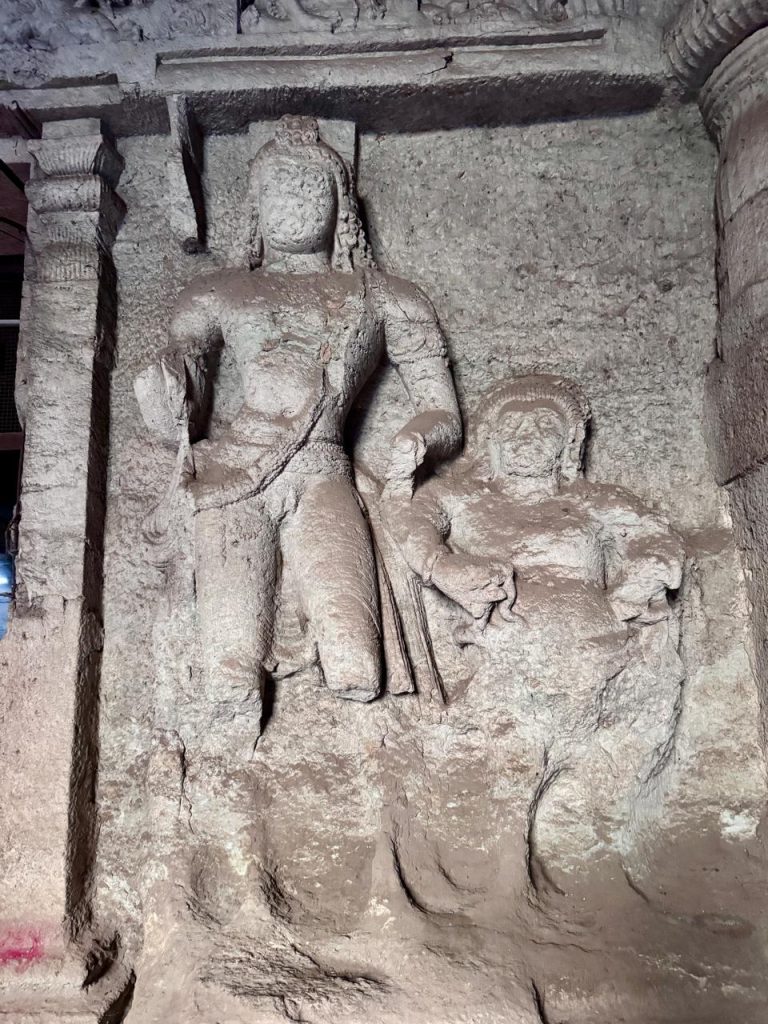
A Little History (Because Every Trip Has That One “Informational” Friend)
Jogeshwari Caves date back to around the 6th century and are among the oldest cave temples in India. They are dedicated mainly to Lord Shiva and are carved out of basalt rock. Historians believe they were built during the Kalachuri period and represent an important transition from Buddhist rock-cut caves to Hindu cave temples.
When you look at the layout ,the large hall, the pillars, the shrines , you can actually see this transition in architecture. It feels like a place where different phases of history meet.
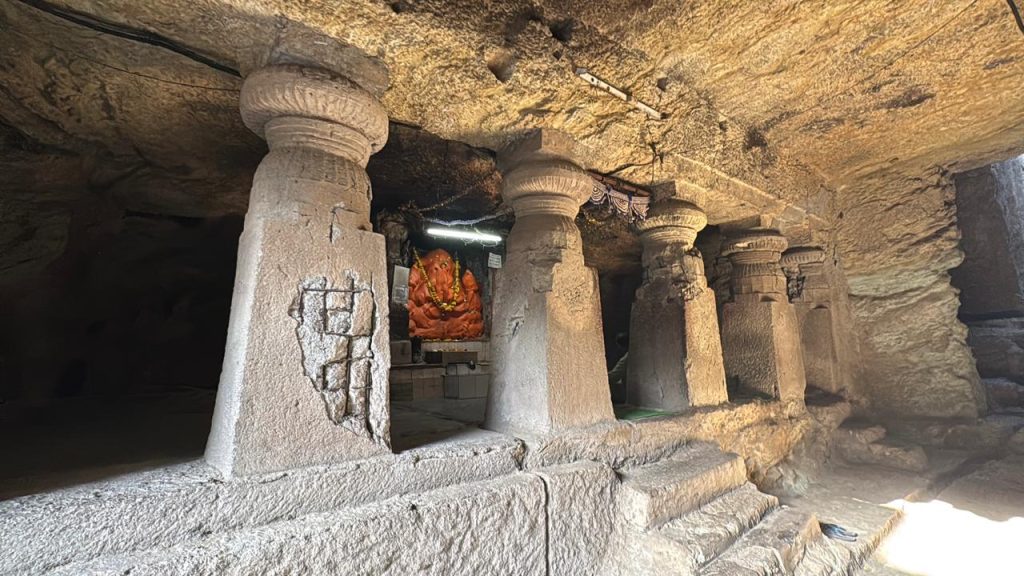
Maharashtra is home to an astonishing number of rock-cut monuments , more than 1,200 in total , ranging from small, quiet shrines to vast and architecturally complex temple complexes. This remarkable tradition began as early as the 1st and 2nd centuries BCE, when Buddhist monks started carving simple prayer halls and monasteries directly into living rock. What began as functional spaces for meditation and worship slowly evolved, generation after generation, into something far more ambitious.
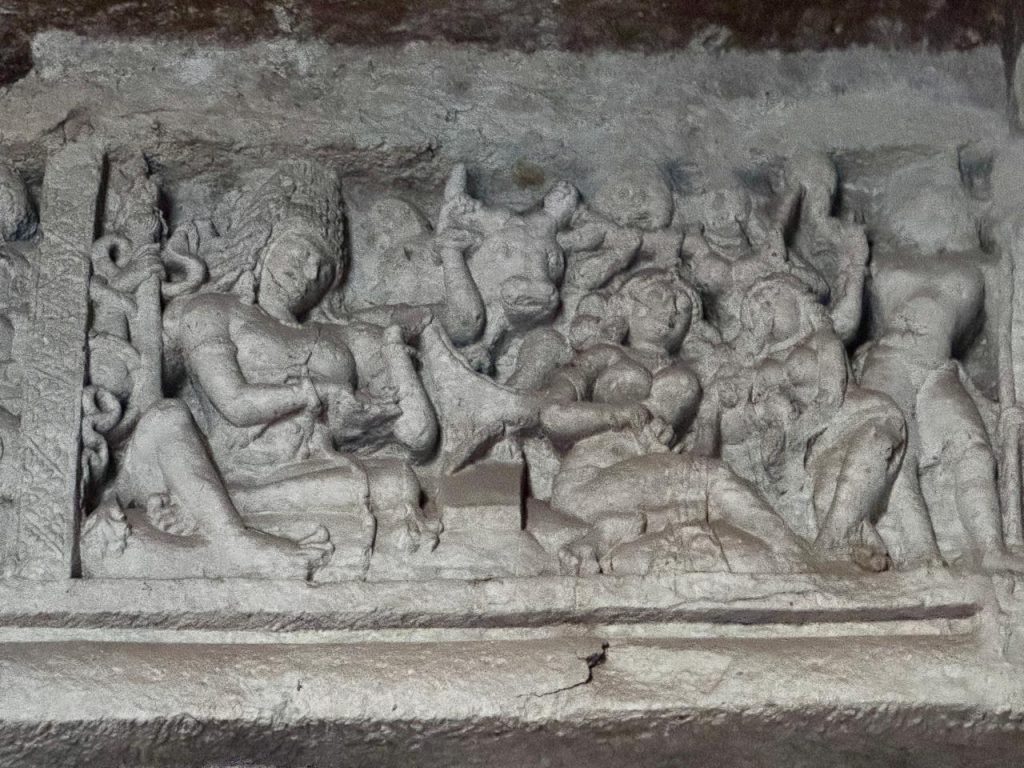
By the 5th century CE, during the rule of the Vakataka dynasty, this rock-cut tradition had reached its artistic and architectural peak at Ajanta. Hidden in a remote gorge, the Ajanta caves , around 30 in number , were not just temples, but masterpieces filled with intricate carvings and some of the finest surviving ancient paintings in India. They represented the height of planning, artistry, and devotion in rock-cut architecture.
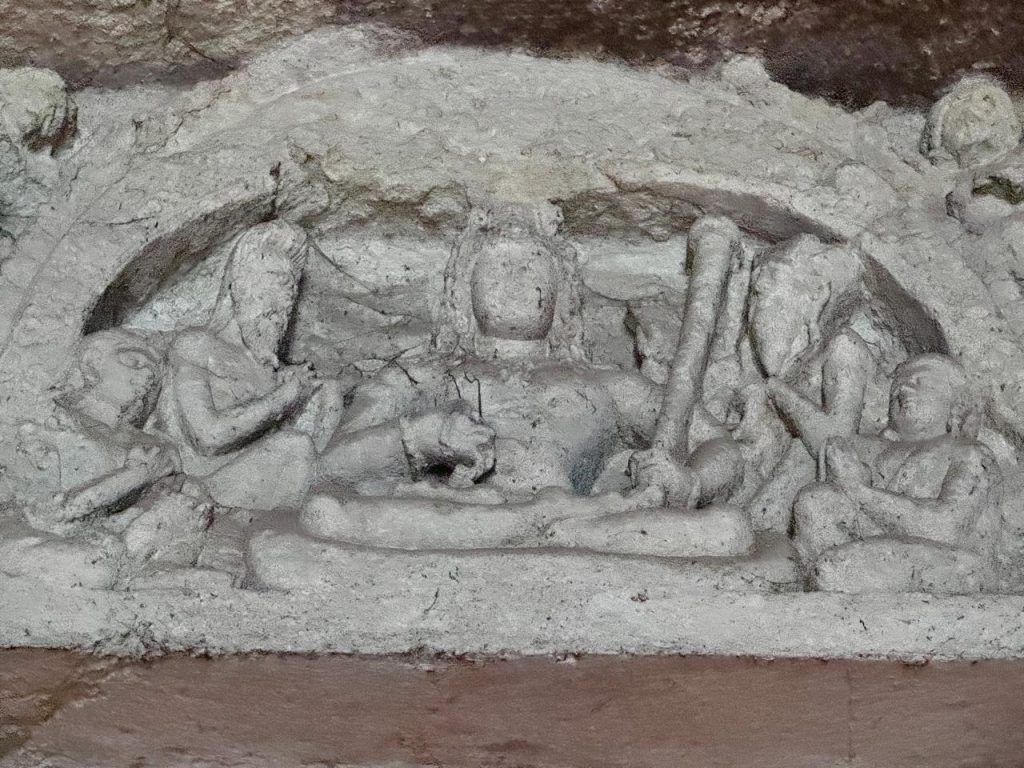
However, after the death of the Vakataka ruler Harisena, the great patron who supported the Ajanta projects, artistic activity in that region began to decline. The large workshops that once bustled with craftsmen gradually fell silent, and many skilled artisans are believed to have left the area in search of new patrons and new opportunities.
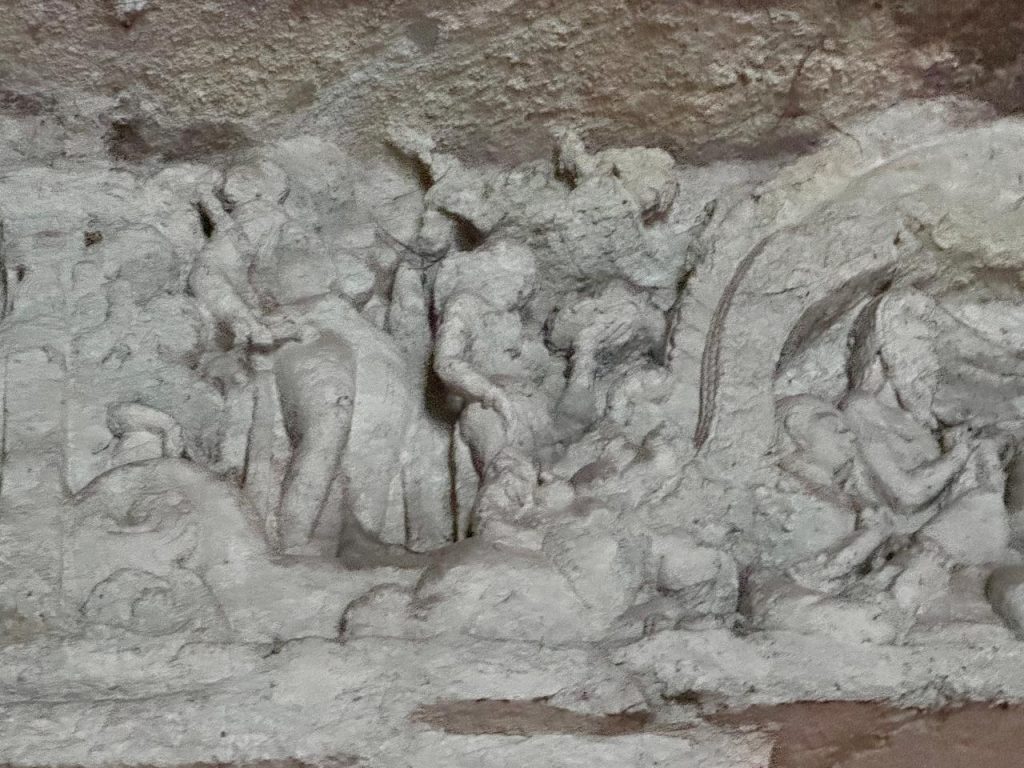
Some historians believe that a number of these craftsmen travelled westward, where they came under the patronage of the Hindu Kalachuri rulers. Around the 6th century CE, Hindu rulers in this region began adopting the rock-cut technique on a large scale, marking the beginning of a new phase in cave temple architecture. The early grand Hindu cave temples are believed to have first taken shape at Jogeshwari, and this architectural and artistic tradition later evolved further, reaching new heights at Elephanta.
These caves in western India stand today as reminders of a unique period in history — a time when temples were not constructed block by block, but were carved patiently and painstakingly out of solid mountains.
Folklore, Stories, and That Mysterious Cave Feeling
Like every ancient place in India, Jogeshwari Caves also come with their share of stories and folklore. Locals say there were once hidden passages connecting different parts of the cave system. Some believe sages meditated here for years because the caves have a certain spiritual energy.
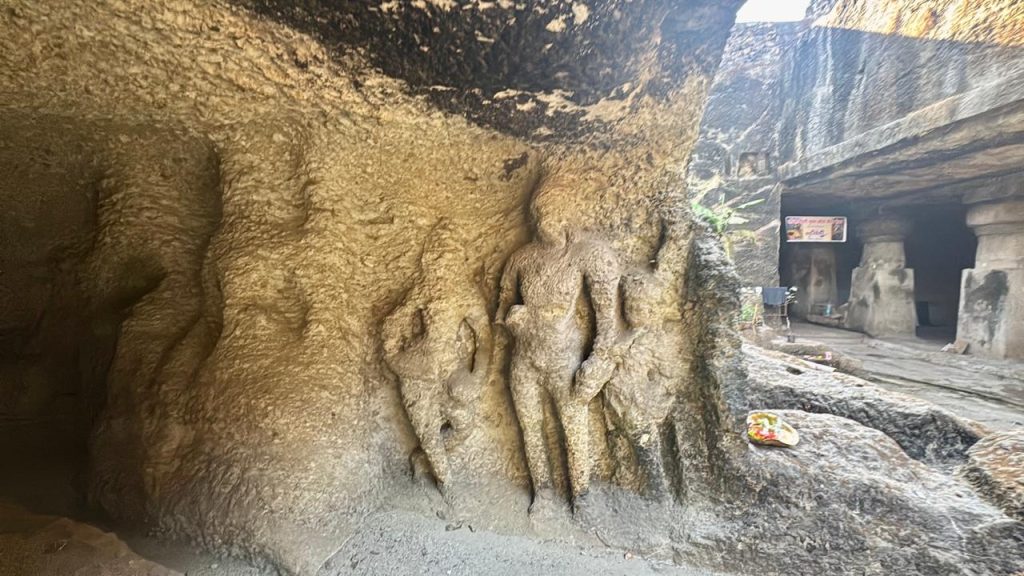
Now whether you believe in that or not, there is definitely something about the place. Maybe it’s the silence, maybe it’s the history, maybe it’s the dim light and endless pillars , but you do feel like you’ve stepped into another time.
Or maybe that was just us getting lost inside for 10 minutes and pretending we knew the way out.
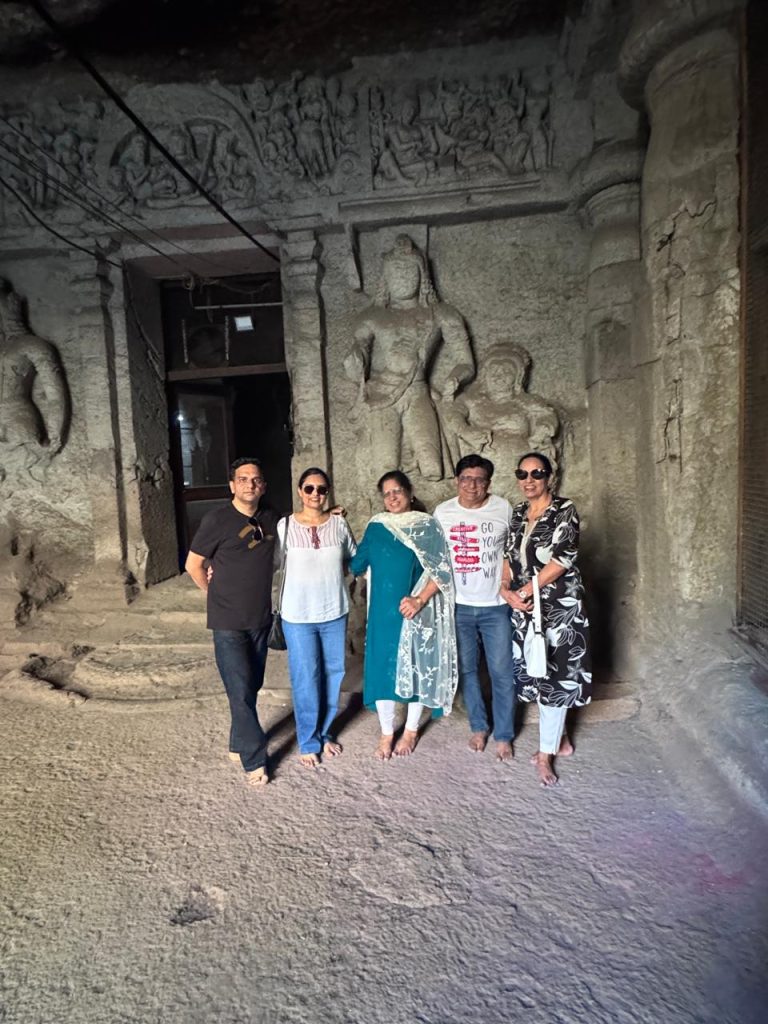
The Real Story: Friends, Laughter, and 200 Bad Photos
History is important. Architecture is fascinating. Folklore is mysterious.
But what I will remember most about this trip is:
- Laughing for no reason
- Roasting each other non-stop
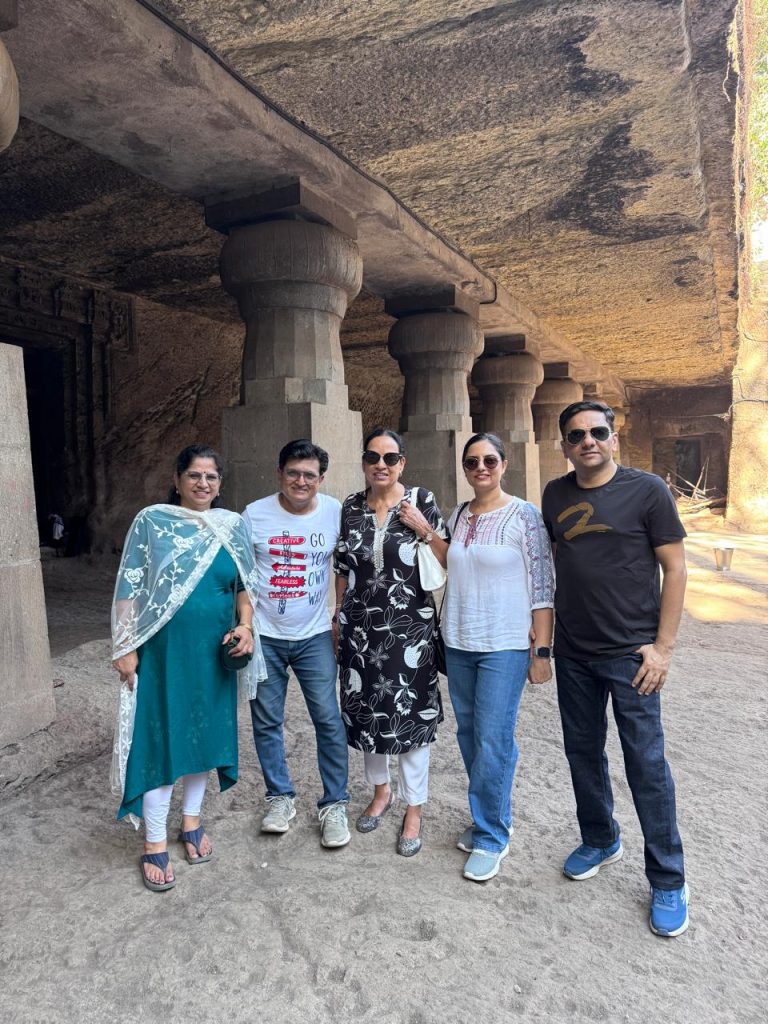
- Taking group photos where no one is looking at the camera
- That one friend ( Honestly that culprit is generally me) who suddenly became a guide after reading one Wikipedia paragraph
- The philosophical conversation that started with “Ancient India was so advanced” and ended with “Bhai bhook lagi hai”
At some point, the caves stopped being just a historical place and became a memory.
The Thought I Came Back With
We travel to other cities to see history.
We plan trips to see forts, temples, ruins, monuments.
But here in Mumbai, history is literally next to a metro station… and most of us have never been there.
Jogeshwari Caves are not just caves. They are a reminder that history doesn’t always live in textbooks or far-away places. Sometimes, it lives in your own city, quietly waiting for you to notice it.
If You Plan to Go
- Take the Metro ( Jogeshwari East Metro Station) – it’s convenient and makes the trip easier
- From the station, you can walk to the caves
- There are two entry/exit points, so you can walk through the entire cave
- Wear good footwear – it can be slippery inside
- It’s a perfect one day outing in Mumbai
- Go with friends – this place is best experienced with people you can laugh with
F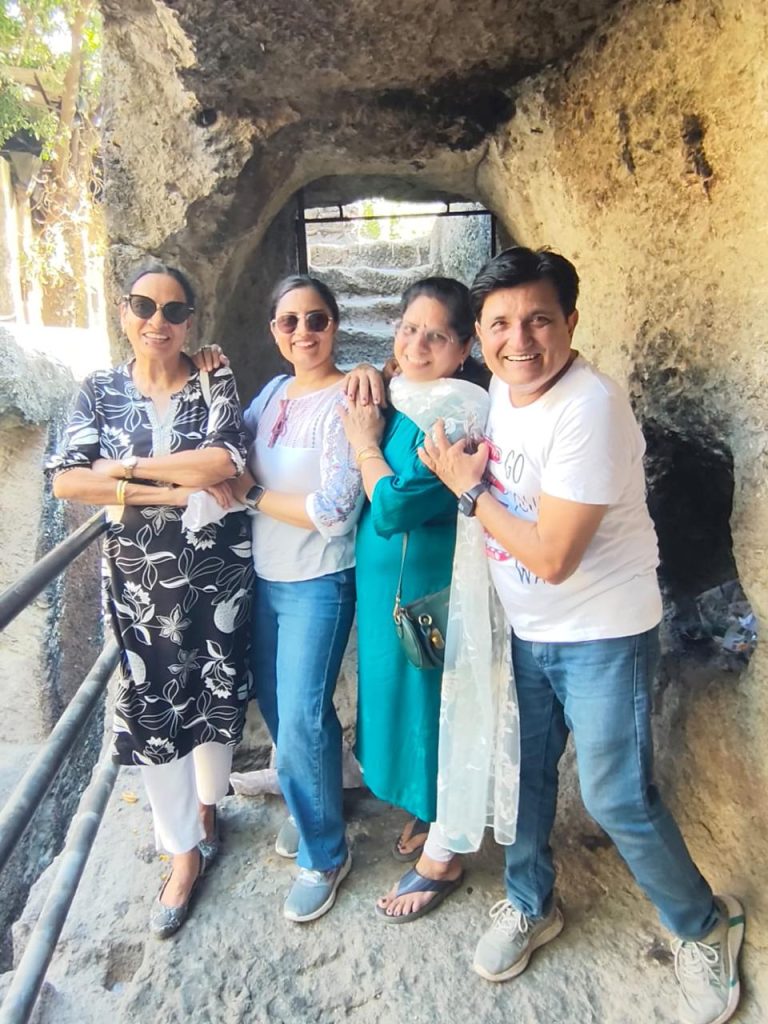 inal Line (Because Every Trip Deserves One)
We started the day in the Mumbai Metro and walked into a cave from the 6th century.
Not bad for a plan that started with “kal milte hai, kahin chalte hai.”
And that’s the thing about Mumbai ….
You think you know the city… until one random day, the city shows you its history.